What Is Secure Mission-Critical Collaboration? | MindLink
In today’s connected world, collaboration platforms have become an essential part of daily business operations. From instant messaging and video...
4 min read

Admin : Aug 4, 2026, 2:33:15 PM
As organisations increasingly rely on digital collaboration, the challenge is no longer simply enabling teams to communicate—it is ensuring that every conversation, document and piece of shared intelligence remains secure, regardless of where users are located or what network they are using. Traditional perimeter-based security models are no longer sufficient for modern organisations operating across hybrid workforces, defence environments and international partnerships.
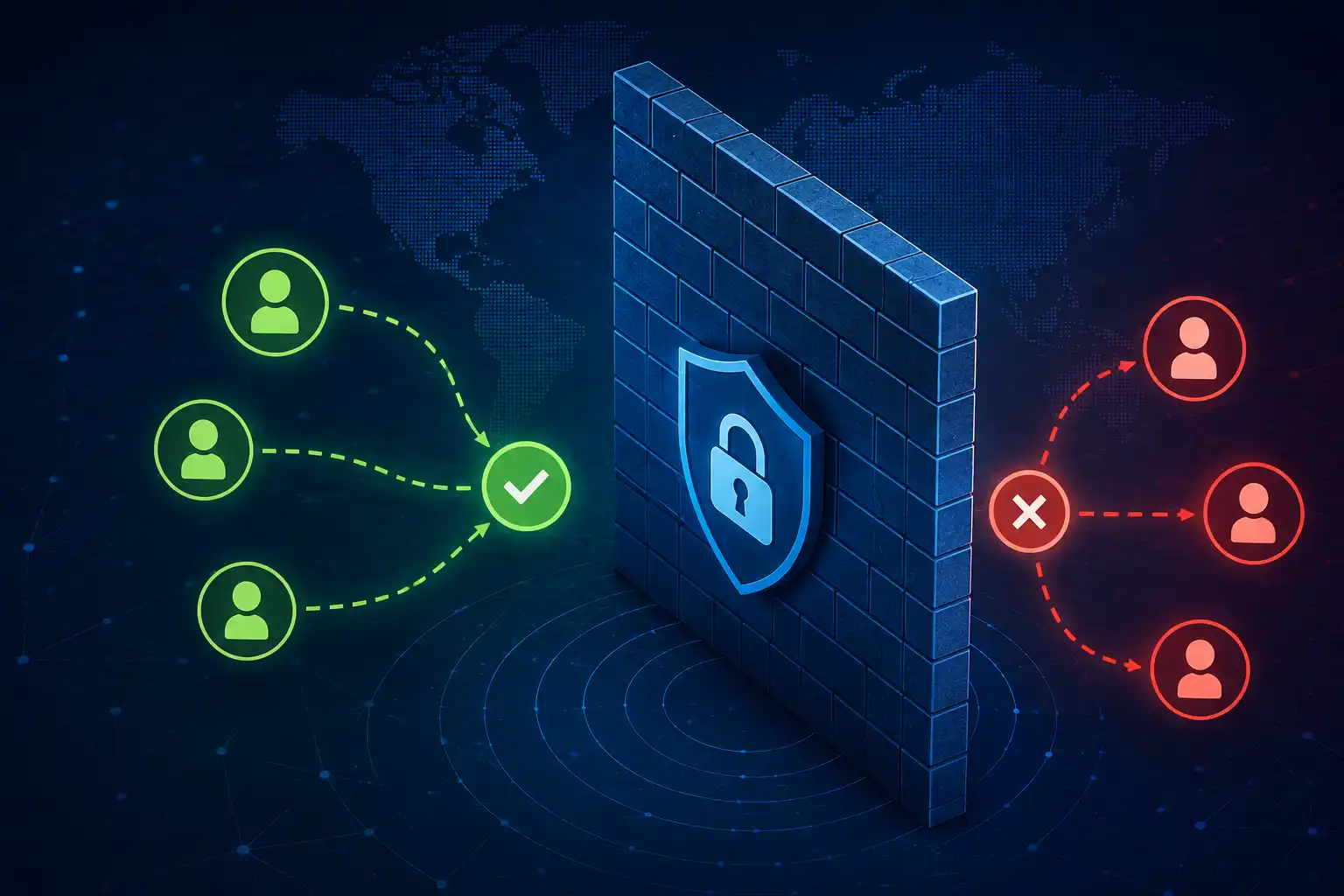
This is where Zero Trust Collaboration has emerged as one of the most important cybersecurity principles for governments, defence organisations and security-conscious enterprises. Rather than assuming users or devices can be trusted simply because they are inside a corporate network, Zero Trust Collaboration continuously verifies every user, device and request before granting access to sensitive information.
Zero Trust Collaboration is the application of Zero Trust security principles to communication and information sharing platforms.
Rather than trusting users based on their location or network, Zero Trust assumes that every access request must be authenticated, authorised and continuously validated throughout the collaboration session.
This means that before someone can:
the system confirms that they have the correct identity, permissions, security clearance and device posture.
The principle is simple:
Never trust. Always verify.
Historically, organisations protected information by securing the network perimeter with firewalls and VPNs. Once users were inside the network, they were often trusted to access multiple systems with relatively few restrictions.
This approach worked when:
Today’s environment is very different.
Modern organisations regularly:
Attackers have recognised these changes.
Rather than attacking networks directly, they increasingly target:
Once an attacker gains access, traditional trust models often allow them to move laterally through the network.
Zero Trust prevents this.
Although implementations vary, most Zero Trust Collaboration platforms follow several fundamental principles.
Every user must prove who they are before accessing collaboration services.
This usually includes:
Authentication is not treated as a one-time event but as an ongoing process.
Users receive only the permissions they require to perform their role.
Rather than granting broad access across an organisation, permissions are tightly controlled according to:
This significantly reduces the impact of compromised accounts.
A valid username and password alone are no longer enough.
The collaboration platform also verifies the device itself.
Checks may include:
If a device becomes compromised, access can be immediately restricted.
Access decisions are constantly reassessed throughout a user’s session.
If the system detects unusual behaviour such as:
additional verification can be requested or access revoked altogether.
Modern Zero Trust Collaboration protects the information itself rather than simply protecting the network.
Security policies travel with the data wherever it goes.
This often includes:
This ensures that information remains protected even if it leaves the organisation’s infrastructure.
By validating every request individually, attackers cannot freely move through collaboration platforms even if credentials are stolen.
Employees only access information relevant to their responsibilities, reducing accidental or malicious exposure.
Users can collaborate securely from offices, homes or field locations without relying solely on VPN technologies.
Many industries require strict control over sensitive information.
Zero Trust supports compliance with:
Government agencies, contractors and international partners often need to collaborate without exposing wider internal systems.
Zero Trust enables secure cross-organisational information sharing while maintaining strict access controls.
Defence organisations face some of the world’s most demanding security requirements.
Information may involve:
These environments require collaboration platforms capable of operating across multiple security domains while enforcing strict information governance.
Key capabilities often include:
Platforms designed specifically for defence environments can support secure collaboration even across highly sensitive or disconnected networks.
Artificial intelligence is becoming an increasingly important part of Zero Trust Collaboration.
Rather than replacing human decision making, AI helps identify unusual behaviour far more quickly than traditional security systems.
Examples include:
AI-powered behavioural analytics can reduce response times while improving overall security visibility.
Implementing Zero Trust Collaboration is not simply installing new software.
Successful adoption also requires:
Technology provides the tools, but effective governance ensures they are used correctly.
Not all collaboration platforms provide the same level of security.
Organisations operating in defence, government or critical infrastructure should consider solutions that offer:
Scalability, usability and integration with existing identity and security systems are also important factors when selecting a platform.
As cyber threats continue to evolve, Zero Trust Collaboration is becoming the new standard for protecting sensitive communications.
Rather than relying on assumptions of trust, organisations are adopting continuous verification, granular access controls and data-centric security models that reduce risk without preventing productive collaboration.
For organisations operating in defence, government, critical national infrastructure and highly regulated industries, Zero Trust Collaboration enables secure information sharing while maintaining control over who can access sensitive data, from where, on which device and under what circumstances.
By combining identity verification, least privilege access, continuous monitoring and strong encryption, Zero Trust Collaboration helps organisations collaborate confidently in an increasingly hostile digital landscape.
In today’s connected world, collaboration platforms have become an essential part of daily business operations. From instant messaging and video...